 listicle
7 Benefits of Buying Art Directly From Artists
Last Updated: October 26, 2026
Quick Summary
Buying art from artists directly means your money goes straight to the creator with no gallery markup, allowing artists to invest in better materials and continue their craft full-time. You also get authentic provenance, verified quality standards, and transparency about materials that ensure your artwork lasts decades.
- Direct purchases eliminate middlemen and gallery markups, funding artists to create full-time
- Artists who sell directly can make ethical choices about materials and production methods
- You receive documented provenance and verified quality specifications from the source
- Archival-quality materials like acid-free paper and pigment-based inks ensure prints last a century or more
- Studio visits and artist websites let you verify authenticity and ask technical questions before buying
Table of Contents
- You Support the Artist's Income and Creative Future
- How to Buy Art From an Artist: The Direct Path
- You Get Authentic Provenance and Verified Quality
- How to Verify Art Authenticity and Provenance
- Questions to Ask an Artist Before Buying Art
- Buying Fine Art Photography: Why Materials Matter
- Start Your Collection With Direct Artist Purchases
- Frequently Asked Questions
You Support the Artist's Income and Creative Future
When you're buying art from artists directly, your money goes straight to the person who created it. No galleries taking a cut. No middlemen. No markup layers. The artist gets paid for their work, and that matters more than most buyers realize.
This direct relationship changes everything. Artists who sell directly can afford to keep creating. They invest in better materials, new equipment, and time to develop their craft. When you choose buying art from artists instead of mass-produced prints or gallery-marked pieces, you're funding someone's ability to do what they love full-time.
At DE LA Gallery, Jorge de la Torriente can focus entirely on photography and artistic vision because collectors buy directly from him.
The secondary benefit is sustainability. Artists who control their own sales can make ethical choices about materials, printing methods, and production. They're not pressured to cut corners to hit profit margins set by distant corporate boards. When you buy art directly, you're supporting someone who cares about the work itself, not just the transaction.
How to Buy Art From an Artist: The Direct Path
The most straightforward way to buy art from artists is to find their website or studio and purchase directly. This eliminates the middleman entirely. Look for artists whose work resonates with you, then check if they offer online sales, studio visits, or gallery representation.
Many artists maintain their own e-commerce sites where you can browse their full collection, see high-resolution images, and read about each piece. Direct artist websites often include the story behind each work, which adds context and emotional connection to your purchase.
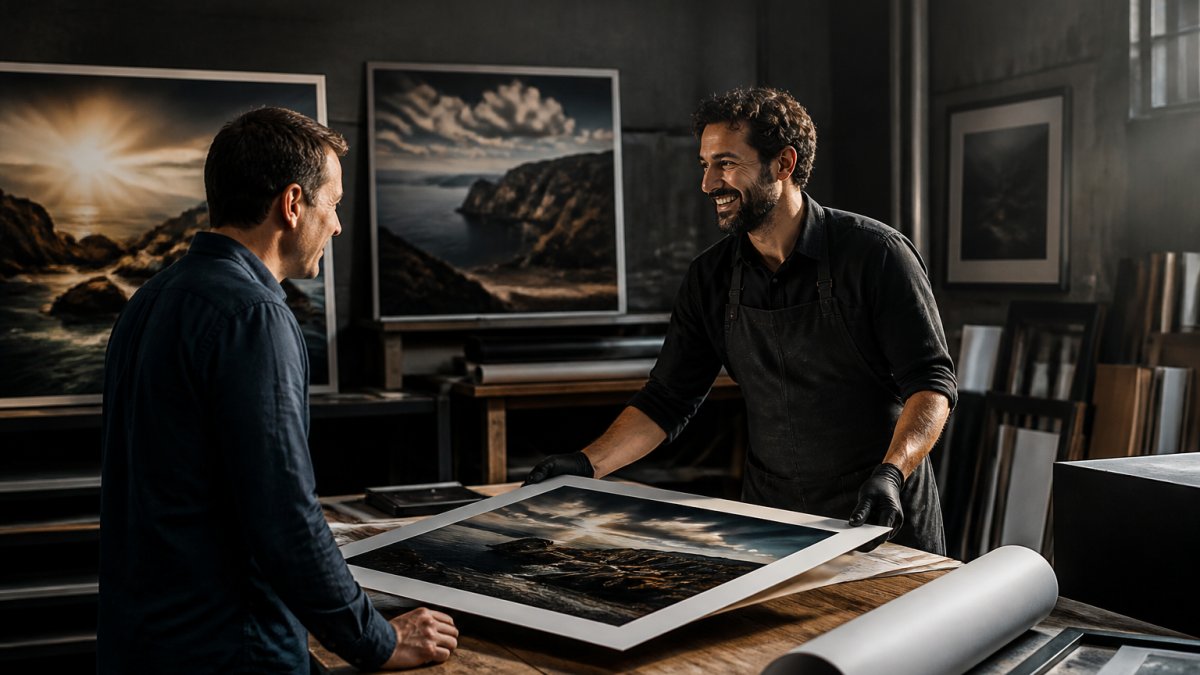
Studio visits are another option if you're local or traveling. You'll see the work in person, meet the artist, and discuss your interests in depth. This personal connection often leads to better recommendations tailored to your space and preferences. Artists can answer technical questions, and sometimes offer custom commissions.
Online platforms like Art Storefronts connect collectors directly with independent artists. These platforms handle payment processing and logistics while keeping the relationship between artist and buyer intact. You get the security of a verified platform without losing the direct-artist advantage.
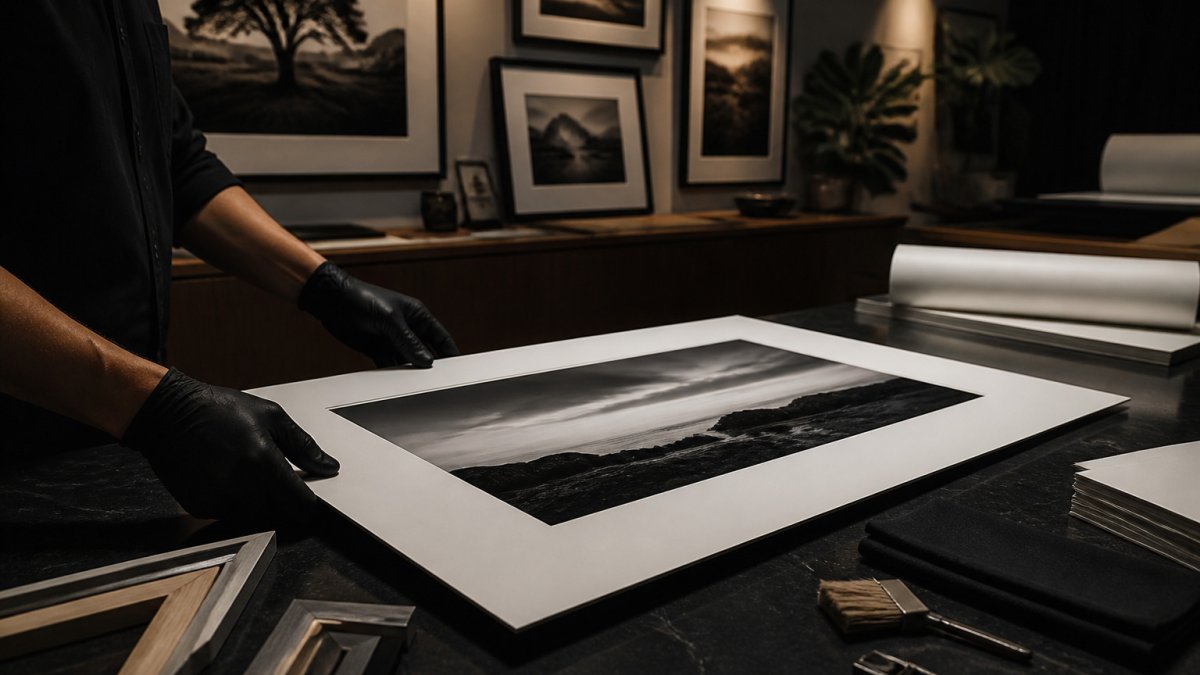
When shopping for fine art photography specifically, look for artists who control their own printing and framing. In-house production means they oversee quality at every stage. DE LA Gallery exemplifies this approach, expert framing by Jeffrey Rodriguez combined with verified archival materials ensures longevity and museum-quality presentation from start to finish.
You Get Authentic Provenance and Verified Quality
Provenance is the documented history of an artwork's ownership and condition. When you buy directly from an artist, you get provenance that starts at the source. You know exactly who created it, when, and under what conditions. No mystery. No questions about authenticity.
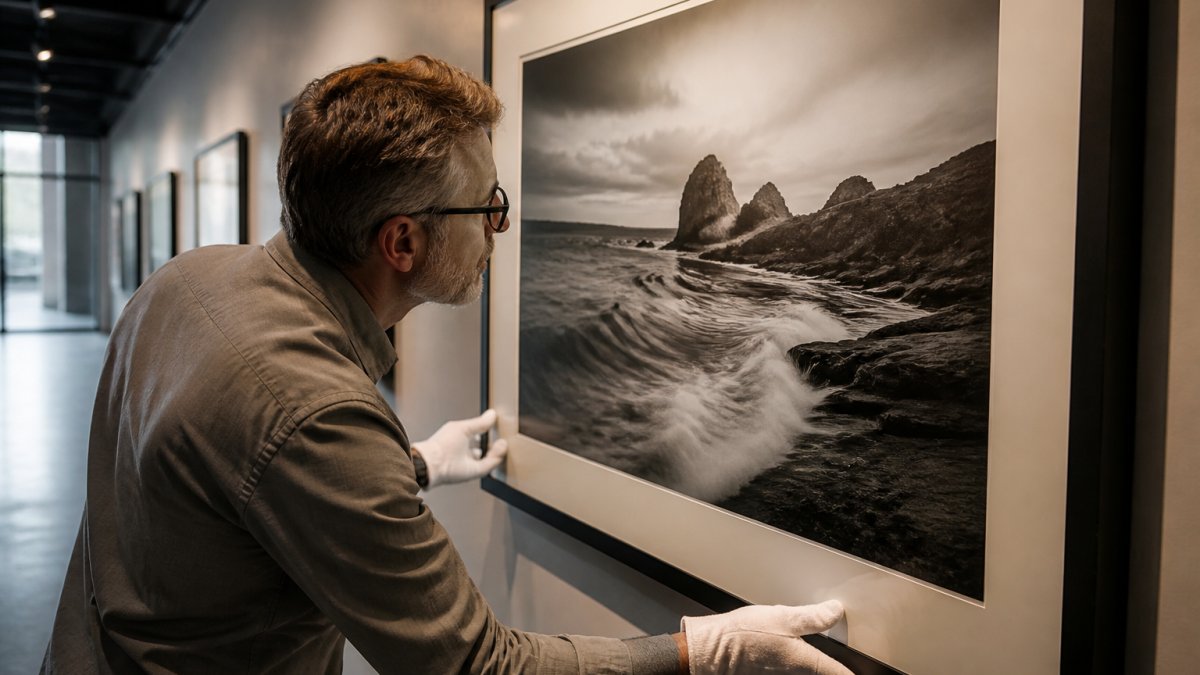
Direct purchase also means you can verify quality standards before buying. Ask about materials. Ask about printing techniques. Ask about archival ratings. Artists who sell directly are usually happy to answer these questions because they're proud of their process. They know the difference between a print that will fade in five years and one that will last fifty.
Gallery-marked pieces often hide this information behind vague language like "museum-quality" or "archival-grade." These terms mean nothing without specifics. When you buy from the artist directly, you get real answers backed by technical specifications.
DE LA Gallery uses verified archival materials for every print and frame combination. That's not a claim, it's a documented standard we maintain because the work demands it. Collectors can ask about specific materials, see certifications, and understand exactly what they're investing in. This transparency builds trust and ensures you're getting what you paid for.
How to Verify Art Authenticity and Provenance
Start by asking the artist directly about the work's history. How long ago was it created? Has it been exhibited? Who has owned it previously? A legitimate artist will have clear answers and documentation. They should be able to provide certificates of authenticity, exhibition records, or provenance documentation if the piece has any history beyond the initial sale. Clear provenance also helps buyers understand the cultural context and significance of a work, especially when purchasing from Indigenous artists through Dreamtimez Australia.
Request technical specifications. For fine art photography, ask about the paper stock, ink type, and coating used. Ask about the printing process, digital, darkroom, pigment-based, or dye-based. Ask about the frame materials and UV protection. An artist who knows their craft can answer these questions with confidence and detail.
Look for third-party verification when available. Some artists hold certifications or memberships in professional organizations. The Hasselblad Masters program recognizes exceptional photographers globally. These credentials don't guarantee quality, but they indicate the artist has met professional standards and peer review.
For photography specifically, check if the artist works with archival-certified labs or maintains in-house printing standards. DE LA Gallery's expert framing and verified archival materials means every piece meets museum standards for longevity. This isn't just marketing, it's a verifiable commitment to quality that protects your investment.
Request a detailed receipt or certificate that includes the title, creation date, edition number if applicable, materials used, dimensions, and the artist's signature or seal. This documentation becomes part of your artwork's provenance and matters if you ever sell, donate, or insure the piece.
Questions to Ask an Artist Before Buying Art
Before committing to a purchase, ask about the artist's creative process. What inspired this particular work? How long did it take to create? What equipment or techniques did they use? Understanding the story behind the piece deepens your connection to it and helps you make a more confident decision.
Inquire about customization options. Can they create a variant or commission a custom piece? Direct artists often have flexibility that galleries don't offer. They can adapt their work to fit your space, budget, or specific vision.
Ask about pricing and payment terms. What's included in the price, framing, shipping, insurance? Understanding the full cost upfront prevents surprises later.
Discuss shipping and handling. How do they package artwork for safe delivery? Do they insure shipments? These logistics matter when you're investing in a significant piece.
Finally, ask about the artist's long-term commitment to the work. Will they continue to create in this style? Are there upcoming series or new directions in their practice? This helps you understand whether you're investing in an established artist or someone just starting out.
Buying Fine Art Photography: Why Materials Matter
The materials used to create and display fine art photography determine how long it will last and how it looks over time. Paper quality, ink type, and protective coatings all affect longevity and color accuracy. Cheap materials fade quickly. Museum-grade materials can last a century or more.
Archival-quality paper is acid-free and made from cotton or alpha-cellulose fibers that resist degradation. Standard photo paper contains lignin and other chemicals that cause yellowing and brittleness over years. The difference isn't visible immediately, but it compounds.
Pigment-based inks offer superior longevity compared to dye-based inks. Pigment particles sit on the paper surface and resist fading from light exposure. Dye-based inks absorb into the paper and fade faster, especially when exposed to UV light.
UV-protective coatings and frames with museum-quality glass add another layer of protection. The American Institute for Conservation provides guidelines for preserving photographic prints. Proper framing with UV-filtering materials slows fading significantly compared to unprotected display.
You can learn more about archival standards by exploring Fine art photography print quality standards and how different materials impact longevity. DE LA Gallery's commitment to verified archival materials means every print is built to last. The combination of archival paper, pigment-based inks, museum-grade framing, and expert craftsmanship by Jeffrey Rodriguez ensures your investment holds its value and beauty for decades.
Fine art photography longevity depends on the specific materials used in printing and display.
| Material Type | Quality Level | Longevity Impact |
|---|---|---|
| Paper | Archival-quality, acid-free | Lasts a century or more |
| Paper | Standard photo paper | Yellows and becomes brittle over years |
| Ink | Pigment-based | Superior longevity, resists fading |
| Ink | Dye-based | Fades faster, especially with UV light |
| Frame Glass | Museum-quality with UV protection | Slows fading significantly |
| Frame Glass | Unprotected display | Faster fading from light exposure |
Start Your Collection With Direct Artist Purchases
Your first purchase doesn't need to be a major investment. Many artists offer smaller prints, limited editions, or emerging works at accessible price points. Start with a piece that genuinely moves you rather than trying to predict market value or invest strategically.
Direct artist purchases are ideal for building a collection because you develop a relationship with the creator. You can ask about upcoming work, request notifications when new series launch, or discuss custom commissions. This ongoing relationship often leads to pieces that feel personally meaningful.
Limited edition photography investments can appreciate over time, but that shouldn't be your primary motivation. Focus on collecting work you want to live with. The financial appreciation follows naturally when you're choosing quality pieces from established artists.
You can explore buying large scale photography online to understand considerations for bigger investment pieces. And if you're wondering whether the price justifies the quality, is limited edition photography worth it provides detailed guidance on evaluating investment potential.
DE LA Gallery offers collectors a direct path to museum-quality work. The Pick-Up Artist is an example of fine art photography available for purchase directly from Jorge de la Torriente. You're buying from the artist who created it, with the assurance of verified archival materials and expert framing. That's the foundation of a collection worth building.
Frequently Asked Questions
What are the real benefits of buying art from artists instead of galleries or online retailers?
Buying art from artists means more of your money goes directly to the creator, you receive verified authenticity and provenance documentation, and you gain access to customization options unavailable through middlemen. You also build a relationship with the artist and understand their creative process, which deepens your connection to the work. For fine art photography specifically, artist-direct purchases often include transparency about archival materials and printing methods.
How do you verify art authenticity and provenance when buying directly?
Ask the artist for documentation of their materials, printing process, and any certifications (such as archival ratings for fine art photography). Request a certificate of authenticity with edition numbers if applicable. Inquire about the artist's credentials, exhibitions, and professional affiliations. For photography, verify that archival-grade materials are being used and ask for specifics on paper, ink, and mounting methods. Reputable artists welcome these questions and provide detailed answers.
What questions should you ask an artist before buying their work?
Ask about materials and their longevity, the printing or production process. For fine art photography, inquire about UV protection, fade resistance, and whether the work includes a certificate of authenticity. Understanding these details ensures you're making an informed investment.
Is buying fine art photography directly from an artist a good investment?
Fine art photography purchased directly from established artists can hold or appreciate in value, especially when you have verified provenance, archival materials, and documentation of authenticity.
Starting a collection of fine art photography is about connecting with work that speaks to you and supporting the artists who create it. Direct purchases cut through the retail markup and give you access to authentic pieces with documented quality. The relationship you build with an artist often becomes as valuable as the art itself.