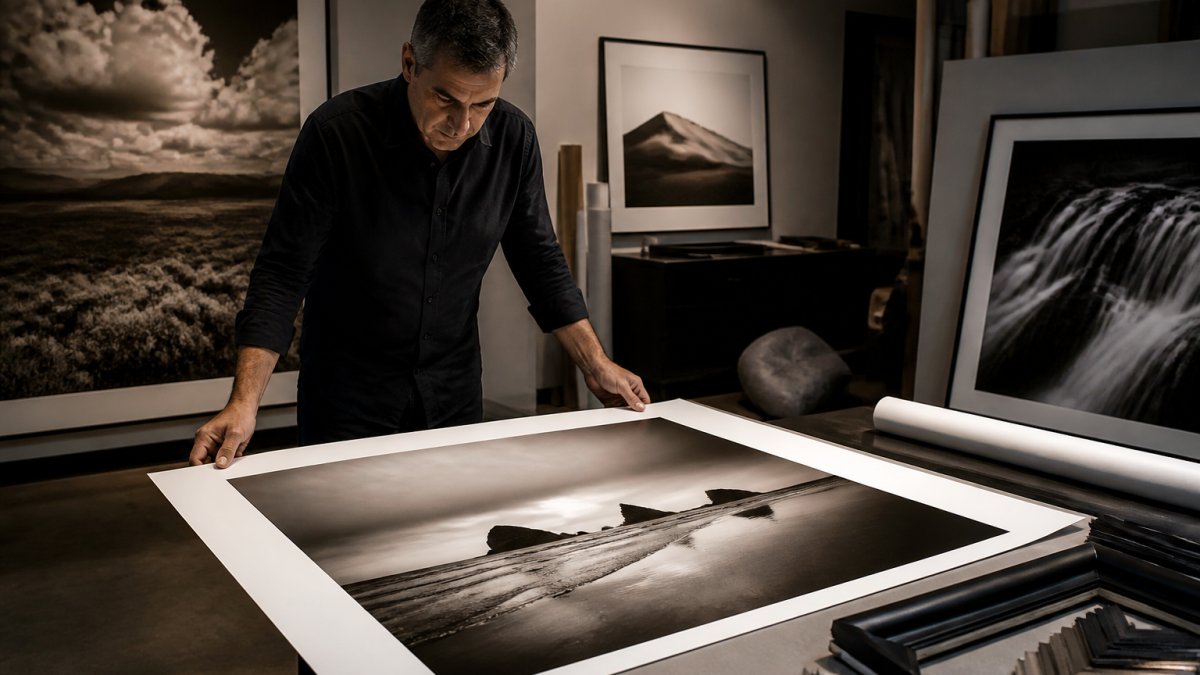
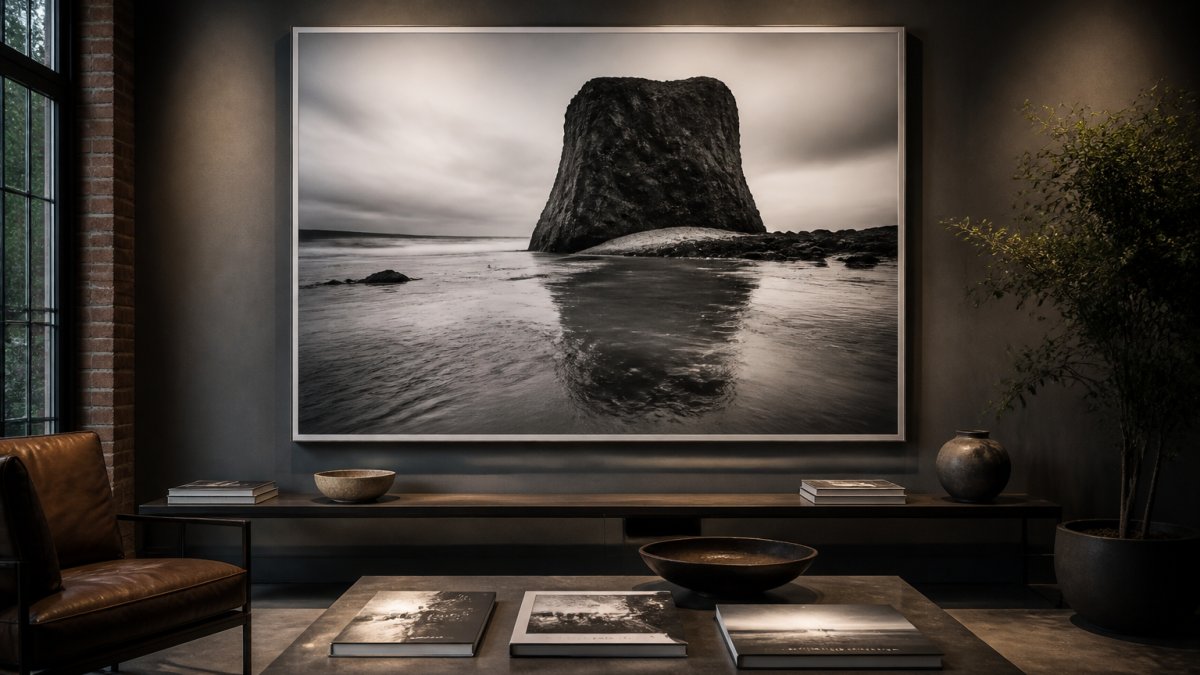
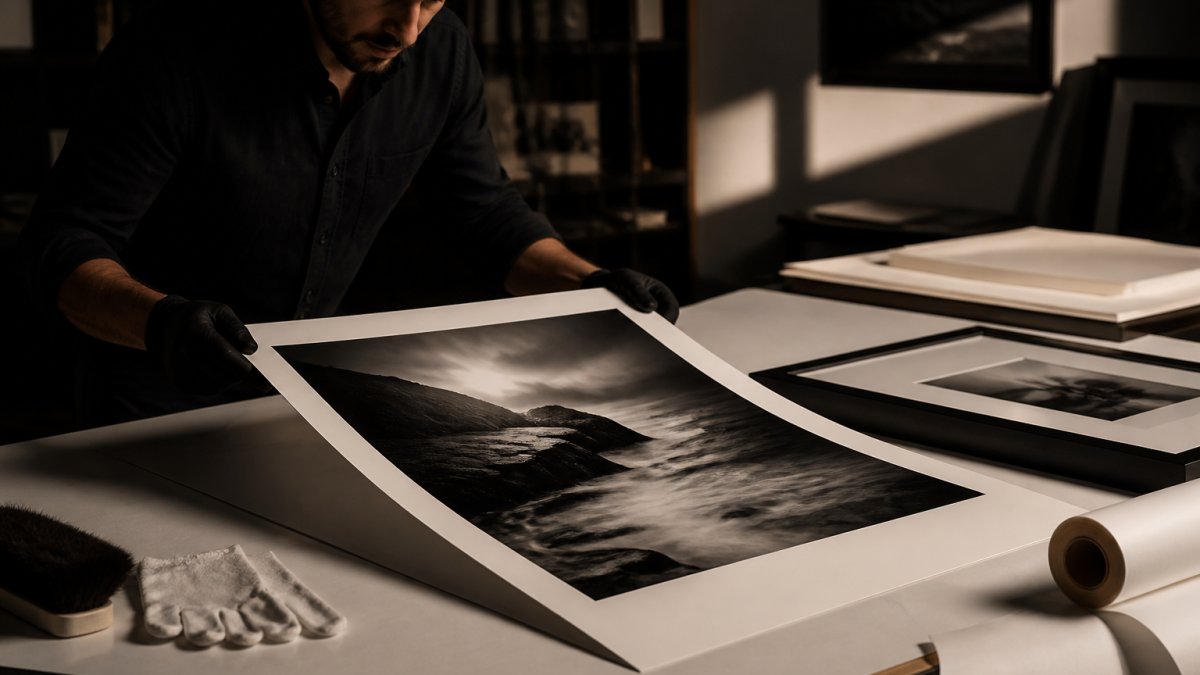
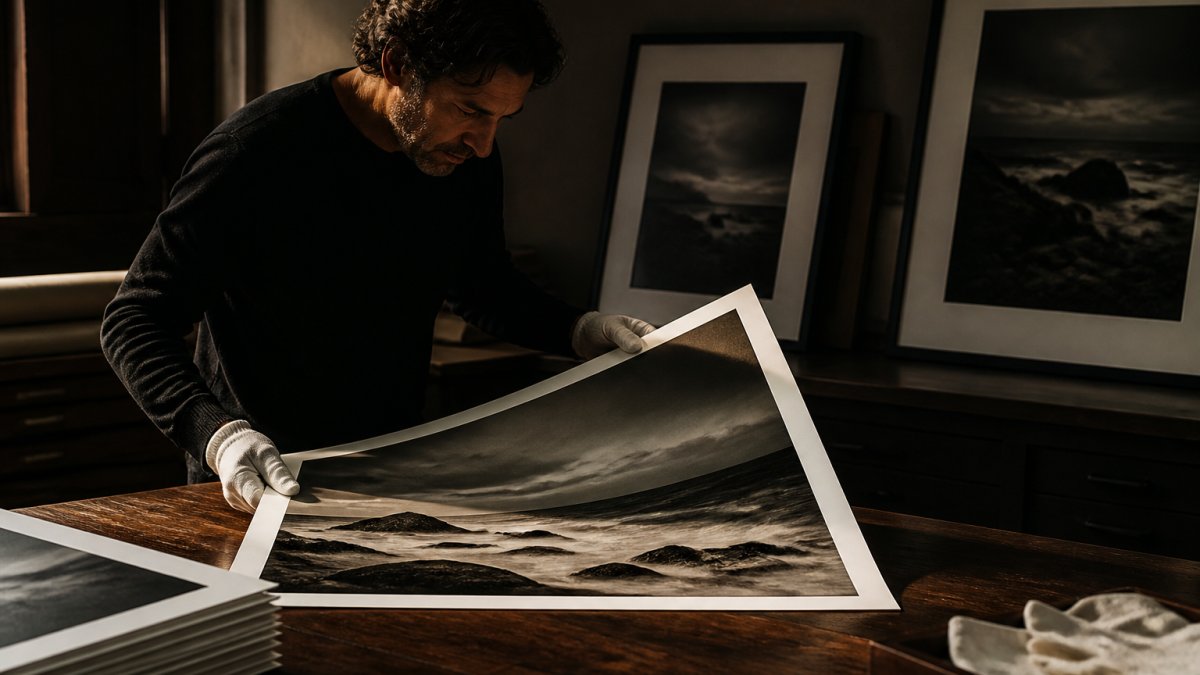
 comparison
Is Limited Edition Photography Worth It? A 2026 Guide
Table of Contents
- Is Limited Edition Photography Worth It? The Short Answer
- Limited Edition vs Open Edition Prints: What Changes at Checkout
- How to Verify a Limited Edition Print Before You Buy
- Limited Edition Print Value Factors: What Actually Moves the Number
- Archival Quality Photography Prints: The Long-Term Cost Case
- Edition Policies Across Formats and Sizes: The Fine Print Buyers Miss
- The Buyer's Due-Diligence Checklist and Verdict by Buyer Type
- Frequently Asked Questions
Last Updated: October 7, 2026
Is Limited Edition Photography Worth It? The Short Answer
Yes, limited edition photography is worth it when the edition is genuinely capped, the print is archival, and you are buying the image itself rather than a promise of profit.
The value case rests on three things: scarcity, print quality, and the story behind the image.
Most buyers assume "limited" automatically means "valuable." A limited run of a forgettable image is still a forgettable image.
Below, we break down how editions work, what actually drives value, and how to check a print before you buy.
Limited Edition vs Open Edition Prints: What Changes at Checkout
The practical difference comes down to scarcity, documentation, and price: a limited edition print is numbered and capped; an open edition print can be reproduced without limit.
That single distinction cascades into everything else you care about:
| Feature | Limited Edition | Open Edition |
|---|---|---|
| Print run | Fixed and numbered | Unlimited |
| Documentation | Certificate of authenticity, provenance | Often none |
| Price point | Higher, reflects scarcity | Lower, reflects availability |
| Resale potential | Depends on demand and artist reputation | Minimal |
| Best for | Collectors, statement pieces | Decoration on a budget |
When you buy a limited edition, you are paying for a closed edition.
An open edition gives you the same image at a friendlier price, but never expect it to hold market value.
How to Verify a Limited Edition Print Before You Buy
A genuine limited edition print should come with paperwork, a signature, and a number that all agree.
Run through these checks before money changes hands:
- Edition number and total: "12/150" means this is the twelfth print in a run of 150. If the total is missing, ask why.
- Signature: A hand-signed print carries more weight than a printed signature. Ask which one you are getting.
- Certificate of authenticity: This document ties the print to the artist and the edition. No certificate, no confidence.
- Provenance: Where has the print been? A clean chain from artist to you is the goal.
- Edition policy in writing: Ask the gallery to state, in writing, that the image will not be reissued in the same size and format.
A "limited" label without a stated edition size is close to meaningless: if the artist never committed to a number, nothing stops them from printing more tomorrow.
Limited Edition Print Value Factors: What Actually Moves the Number
Print value is driven by demand and scarcity working together, not by the word "limited" on a label. These factors decide whether a piece holds its market value over time.
The biggest levers:
- Artist reputation and intent: A photographer with a clear body of work, gallery representation, and a deliberate edition strategy supports stronger collector demand. An artist with no exhibition history rarely does, no matter how small the edition.
- Edition size: Smaller runs create more scarcity, but scarcity only matters if people want the image, a run of 10 of an unknown photograph is still a hard resale.
- Image significance: Iconic or widely recognized images hold interest better than routine ones. Series work, museum acquisitions, and published monographs signal staying power.
- Print quality and materials: Archival paper, pigment inks, and proper framing protect both the image and its value. A faded print loses value even if the edition is small.
- Condition and provenance: A pristine print with clean documentation is worth more than one with a damaged frame and no paperwork. Buyers pay a premium for an unbroken chain from the artist.
- Demand depth: How many collectors actively want this artist's work right now? Thin demand means you may wait years to sell, or accept a discount.
What Limited Status Does Not Guarantee
A common mistake is buying for investment potential alone. Limited status is a supply constraint, not a demand guarantee, and most limited-edition photographs do not appreciate in real terms. Buy the image you would be happy to live with, and treat resale value as a bonus.
The Resale Math Buyers Forget
Even when a print sells for more than you paid, the headline number is not what you keep. Auction houses charge a seller's commission plus fees for photography, insurance, and shipping, and galleries on consignment split proceeds with the consignor.
A useful rule of thumb: assume you keep roughly half to two-thirds of the hammer price after fees and logistics, and only if the work sells at all.
What Actually Drives Appreciation
When limited-edition photographs do appreciate, the pattern is usually the same:
- The artist's reputation grows, museum shows, major publications, a retrospective.
- The edition sells out at the primary level, so new buyers must come to the secondary market.
- Demand from collectors outpaces the small number of prints that come up for sale.
- The specific print is in excellent condition with full documentation.
Miss any of those and the print may hold its purchase price at best, the normal outcome for most work.
Archival Quality Photography Prints: The Long-Term Cost Case
Archival quality is the difference between a print that looks the same in twenty years and one that fades into a washed-out ghost, and where the long-term cost case for limited edition work holds up.
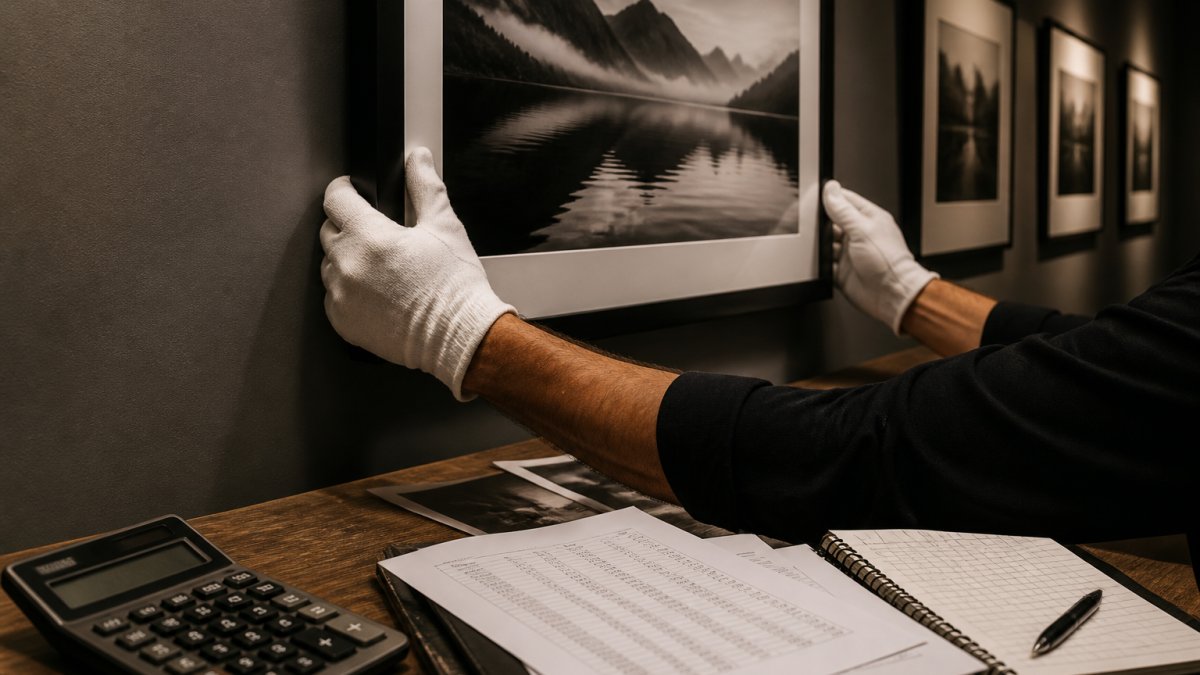
Archival quality photography prints are prints made with materials and processes designed to resist fading and deterioration over decades. That means pigment-based inks, acid-free papers, and framing that protects rather than damages the artwork.
A cheaper print that fades in a few years is not a bargain but a repeat purchase. The premium on archival materials is a premium on not replacing the piece.
When you evaluate a print, ask specifically about:
- Ink type (pigment inks generally outlast dye-based inks)
- Paper composition (acid-free and buffered papers resist yellowing)
- Framing materials (archival mats and glazing protect the surface)
- Storage and display conditions (keep prints out of direct sunlight and damp rooms)
For guidance on how museums think about material stability and display conditions, the American Institute for Conservation publishes resources on caring for works on paper.
Edition Policies Across Formats and Sizes: The Fine Print Buyers Miss
Edition policies vary by format and size in ways most buyers never check. A single image can be a limited edition in one size and an open edition in another, both legitimate.
Here is how artists and galleries commonly structure editions, with practical examples of each pattern:
- One image, one edition, one size. The simplest, most collector-friendly model: the photographer commits to a single print size and cap, say, 50 prints total, and never offers the image any other way.
- Tiered editions by size. A common pattern is a large format capped at 10, a medium at 25, and a small at 50. Each size is its own edition with its own numbering, and the large one usually carries the higher price.
- Editions by medium. The same image may be offered as a pigment print on paper, a face-mounted acrylic, and a metal print, each with its own cap. The acrylic version is a separate run from the paper edition.
- Open edition plus limited edition. Some artists sell an open edition at an accessible price and a signed, numbered limited edition at a premium. This is not a bait-and-switch as long as the gallery states it clearly.
- Format-exclusive editions. Occasionally an artist caps a specific presentation, for example, only 5 framed and matted versions, while leaving the unframed print in a larger edition. The framing becomes part of the scarcity.
The Reissue Question
Some artists reserve the right to release an image in a new format or size later. That is not necessarily dishonest, but you should know it up front.
Ask specifically:
- Will this image ever be printed again in this exact size and medium?
- If a new format is released later, will it be a new edition with its own numbering?
- Does the artist retain the right to license the image for commercial use, and does that affect the edition?
Licensing does not usually affect your print's scarcity, but it can affect how "exclusive" the image feels: a photograph on billboards and mugs is a different proposition from one that lives only in the edition.
Get It in Writing
Get the edition policy in writing for the specific size and format you are buying, not for the image in general. It should state the edition size, your number, the medium, the dimensions, and whether the edition is closed.
The Buyer's Due-Diligence Checklist and Verdict by Buyer Type
Use this checklist before buying any limited edition print.
- Confirm the edition size and your specific number
- Verify the signature is hand-signed if that matters to you
- Obtain a certificate of authenticity
- Get the edition policy in writing for your exact size and format
- Confirm the print materials are archival (inks, paper, framing)
- Ask about provenance and any prior ownership
- Clarify shipping, insurance, and damage or return terms
- Confirm the piece will suit your actual space before it ships
That last point matters more than people admit. A large-format print is a commitment, and seeing it in your room before you buy removes most of the risk.
So is limited edition photography worth it? It depends on you:
- If you are a collector: Yes, when the edition is capped, documented, and archival.
- If you want a statement piece for your home: Yes, if you love the image and value longevity over resale.
- If you are buying purely to flip for profit: Be cautious. Value depends on demand you cannot control.
- If budget is the priority: An open edition may serve you better.
For a deeper look at how print materials and display conditions affect longevity, the Library of Congress on caring for photographs offers practical preservation guidance, and the Getty Conservation Institute publishes research on the stability of photographic materials.
The real challenge with limited edition photography is not deciding whether it is worth it in the abstract. It is finding a piece you trust, printed and framed to last, from an artist you can actually reach.
Frequently Asked Questions
Do limited edition prints go up in value?
Some do, many do not. Resale performance depends on the artist's reputation, how small the edition size is, whether the edition is closed, and whether the work has secondary market demand. Photography rarely behaves like blue-chip painting, and past sales of one image do not guarantee future results for another. Treat any limited edition photography purchase as art you want to live with first, and a possible store of value second.
How can you verify the edition size of a photograph?
Ask for the edition number written as a fraction, such as 3/50, plus a signed certificate of authenticity listing the total edition size, print medium, dimensions, and date. Check that the same image is not also sold as an unlimited open edition in a different size, which undercuts the scarcity claim. A gallery that prints and frames in-house, like DE LA Gallery, can confirm the edition details directly from the artist.
Which is better, an artist proof or a limited edition print?
Artist proofs are typically the first prints pulled from a run and are often kept by the artist or sold at a small premium. They are scarcer than the numbered edition, but they are not automatically more valuable. What matters more is the total number of prints in circulation, including proofs, and whether the edition is closed. If the artist can reprint the image in another format, the proof premium shrinks.
Are limited edition photographs a good investment?
For most buyers, no, at least not in the way stocks or bonds are. Limited edition photography can hold value or appreciate when the artist is well represented, the edition is genuinely small and closed, and the print uses archival materials that survive decades. Otherwise you are paying for enjoyment, not return. Buyers who want both should ask about edition policy, provenance, and resale history before committing.