 blog
Are Andrew Prokos Prints Worth More Than Lumas Art?
Quick Summary
Andrew Prokos photography prints are generally aimed at collectors who want a specific photographer's limited-edition work, while Lumas offers a wider selection of licensed artwork and photo prints. Whether a print is worth more depends on your goals, so compare edition details, framing costs and archival materials before buying.
- Andrew Prokos work centers on fine art and architectural photography, often sold as limited editions.
- Lumas sells licensed artwork and photo prints across a wide range of styles through an online storefront.
- Print size and edition structure drive most of the cost difference between the two options.
- Ask whether quoted prices include the frame, glazing and mounting hardware.
- Request a materials list and certificate of authenticity to verify archival quality and edition details.
Table of Contents
Andrew Prokos and Lumas at a Glance
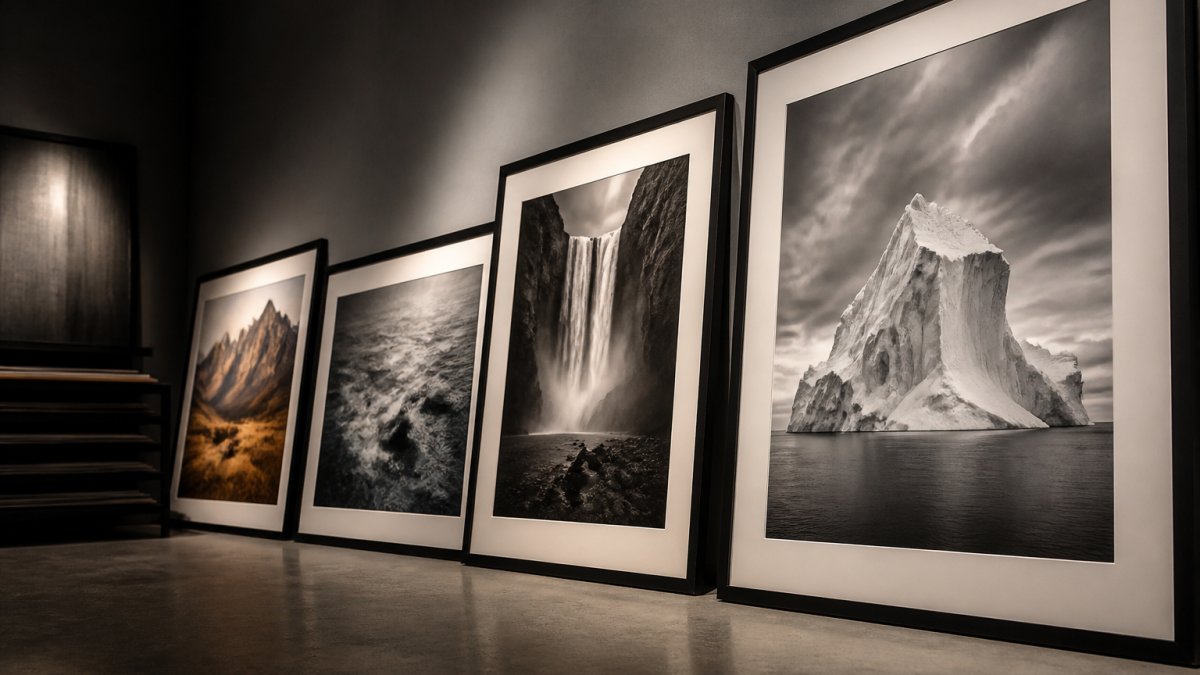
Are andrew prokos photography prints worth more than Lumas art? For most buyers, the answer depends on what they want from the piece: a limited-edition photograph with a known maker, or a large framed print. DE LA Gallery sells large-format fine art photography, and this comparison looks at how Andrew Prokos work and Lumas's print offering differ on the points that matter when you spend real money on wall art.
The comparison below covers the artists' backgrounds, print sizes, framing, buying experience and archival materials. We also note where each option has limits, so you can judge the trade-offs for your own space.
| Factor | Andrew Prokos | Lumas |
|---|---|---|
| Work type | Fine art and architectural photography | Licensed artwork and photo prints |
| Typical buyer | Collectors seeking a specific photographer's work | Shoppers seeking wide selection |
| Edition style | Limited-edition prints where offered | Varies by artwork |
| Buying route | Through the gallery representing the photographer | Online storefront |
Andrew Prokos Architectural Photography and Black and White Work
Architectural photography rewards large prints, because fine detail in steel, glass and stone becomes more striking at scale.
Many collectors choose monochrome for rooms with neutral palettes, since it works with almost any furniture. When you evaluate architectural prints, look at how the image holds its tonal range at the size you plan to hang it.
Andrew Prokos Black and White Photography: Subjects and Style
Our practical tip: before buying a monochrome print, check how its darkest areas read in your room. Deep blacks can look flat under weak light, while well-balanced prints keep detail in the shadows.
Print Sizes, Editions and Framing Costs Compared
Print size and edition structure drive most of the cost difference between buying options. Pricing depends on the size, edition, paper or substrate, frame and glazing you choose. Check the current pricing on each seller's website before you compare.
Ask whether the quoted price includes the frame, glazing and mounting hardware.
A layout photo of a large framed black-and-white cityscape hanging above a living room sofa can help you judge scale before you order.
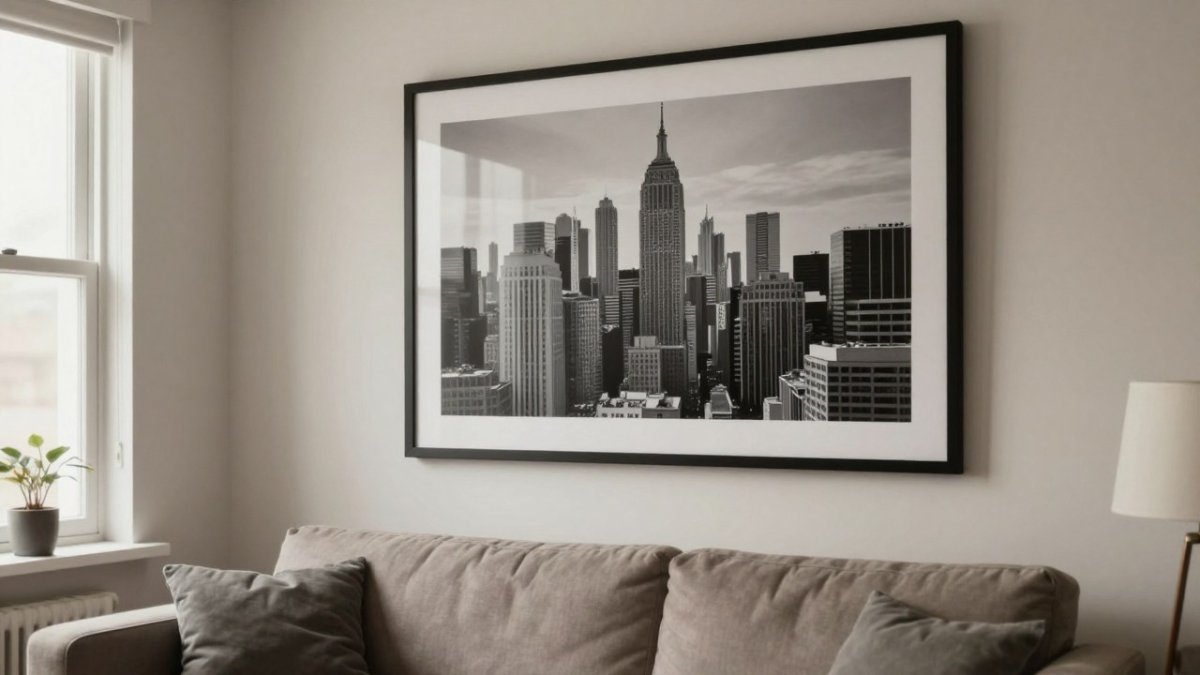
Framed Fine Art Photography Prints: What to Expect
A framed fine art print should arrive with clean edges, secure glazing and a frame that suits the image. Expect the framing to be part of the design decision, not an afterthought. Heavier framed pieces need proper hanging hardware and wall anchors rated for their weight.
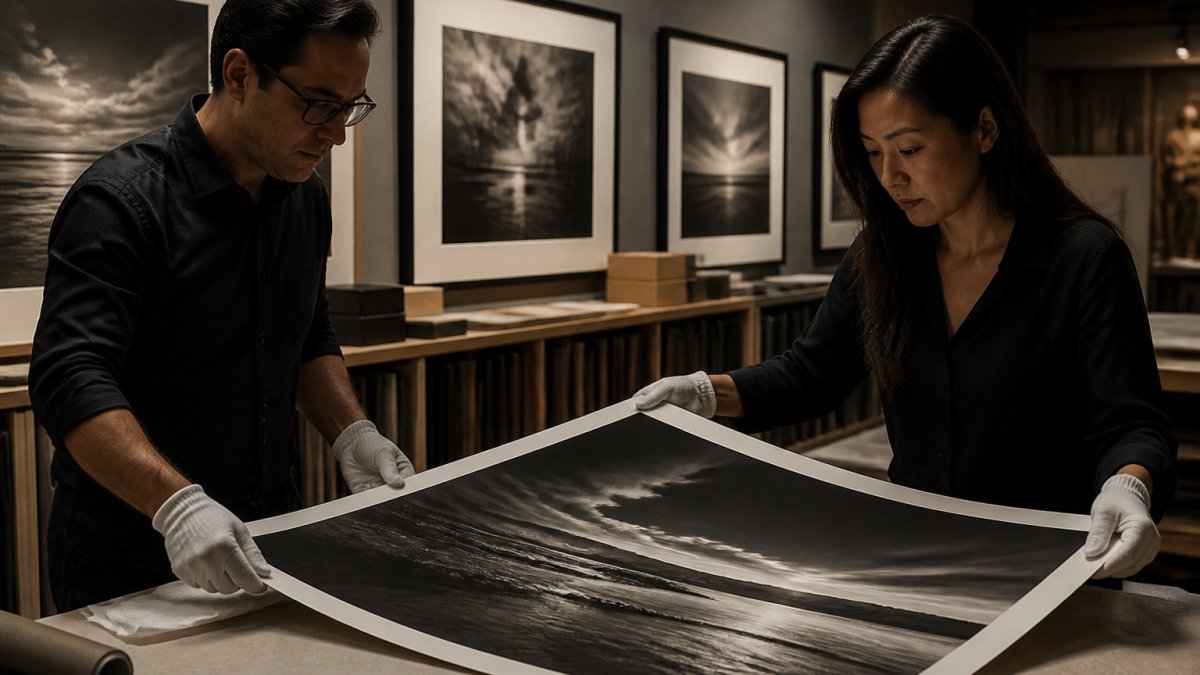
At DE LA Gallery, prints are produced and framed in-house. Ask any seller what glazing they use, whether the mat board is acid-free, and how the piece is packed for shipping.
Archival Photography Prints: Materials, Durability and Verification
Archival quality means the print is made to resist fading, yellowing and deterioration over time. Ask for these details in writing rather than relying on the word "archival" alone, since the term is not regulated.
Verification matters. Request the materials list, the print process and any certificate of authenticity that identifies the edition. These records help you confirm what you are buying and protect the piece's resale value.
Buying Experience, Fulfillment and Choosing the Right Piece for Your Home
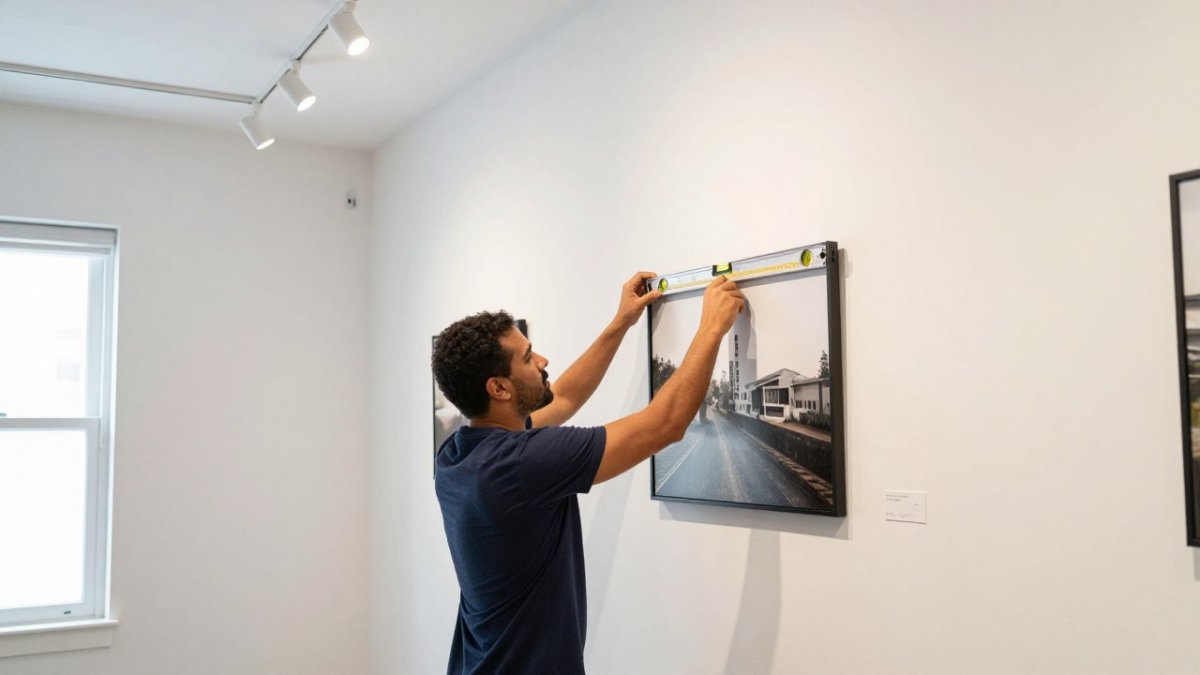
To choose the right piece, measure your wall first and decide on the viewing distance. For guidance on displaying oversized prints, read how to style large format photography for your walls. Then match the image's tones to the room's palette. Finally, confirm the return policy, shipping protection and any installation support with the seller before you commit.
Ready to see the work in person? Explore DE LA Gallery's current collection of large-format fine art photography or read how to hang heavy framed art securely before your piece arrives. For investment-minded buyers, our tips for buying investment photography cover what to check before you pay.
Frequently Asked Questions
What is the difference between Lumas and Andrew Prokos photography?
Compare print specifications, edition details and framing costs directly on each seller's site before deciding, since listings and availability change over time.
Does Andrew Prokos sell framed fine art prints?
Framed presentation is a common way to buy fine art photography, but availability and framing options for Andrew Prokos prints should be confirmed directly with the seller. Ask what framing materials are used, whether glazing is UV-filtered, and whether the frame is included in the quoted price. Framed prints from any source should be inspected on arrival for damage, and you should request a clear return or replacement policy before purchase.
What should I look for in archival fine art photography prints?
Look for documented paper and ink details, the printing method, and whether the seller states which archival standards apply. Ask whether the print is an edition, how many are produced, and whether the edition is limited. Acid-free mounting, UV-filtered glazing and protection from direct sunlight all affect how well a print holds its color over time. Seek written specifications rather than general claims about longevity.
How do I choose a photograph that suits my room?
Start with wall space and viewing distance. Large black-and-white architectural images often work well as statement pieces above a sofa or in a hallway, while color landscapes suit spaces with natural light. Measure the wall, then compare print dimensions with the room. Many buyers find that an augmented reality preview or a physical sample helps confirm scale before ordering a large framed piece.