 how-to
7 Tips for Buying Investment Photography That Holds Value
Last Updated: November 12, 2026
Quick Summary
Investment photography is the purchase of fine art photographs chosen for both lasting enjoyment and potential resale value, driven by scarcity, permanence and provenance. Confirm a stated edition size, archival paper and pigment inks, and a complete certificate of authenticity before you buy.
- Ask sellers to name both the paper and the ink process used for the print.
- An edition without a stated number is not a real limit, so get it in writing.
- A proper certificate includes artist signature, title, edition size, print number and year.
- Check for fading, scratches, frame dents and water damage before committing.
- Galleries, auction houses and artist-direct sales give the strongest documentation.
Table of Contents
- What Investment Photography Actually Means
- How to Identify Archival Quality Prints
- Fine Art Photography Print Editions: Why Size Matters
- Photography Provenance and Certificates of Authenticity
- How to Evaluate a Photograph's Value
- Where to Buy and Red Flags to Watch For
- Your Pre-Purchase Checklist: Next Steps at DE LA Gallery
- Frequently Asked Questions
What Investment Photography Actually Means
Investment photography is the purchase of fine art photographs chosen for both lasting enjoyment and potential resale value. It combines aesthetic appeal with the same fundamentals collectors use in any art market: limited supply, documented origin, and physical permanence. This guide breaks down the seven checks that separate a sound purchase from an expensive mistake.
The core idea is simple. A photograph holds value when it cannot be reproduced at will, when its maker has a track record, and when the print itself will still look right decades from now. Miss any one of those and you own a beautiful object, not an investment.
Three things drive long-term value in this market:
- Scarcity - a fixed edition size, documented and honored by the artist
- Permanence - archival papers and pigment inks that resist fading
- Provenance - a clear record of who made the print, when, and how many exist
Most buyers focus only on the image. The collectors who do well look at the paperwork and the materials first. The photograph is the easy part.
Getty Museum guide to photographs and editions
How to Identify Archival Quality Prints
Archival quality means the print is made to last generations without noticeable fading or color shift. Two components decide this: the paper and the ink. Both must be archival, or the combination fails.
Ask the seller two direct questions: what paper was used, and what ink process. A confident answer names both. A vague answer is your first warning sign.
Papers, Inks, and the 100-Year Question
Fine art photography often uses cotton rag or alpha-cellulose papers. Pigment inks generally outlast dye-based inks under normal display conditions. A common mistake is assuming a heavy paper stock means archival. Weight and longevity are different things.
What most guides miss is the framing. Even a perfect print fades faster behind cheap glass and acidic mat board. Ask whether the framing uses acid-free mats and UV-filtering glazing.
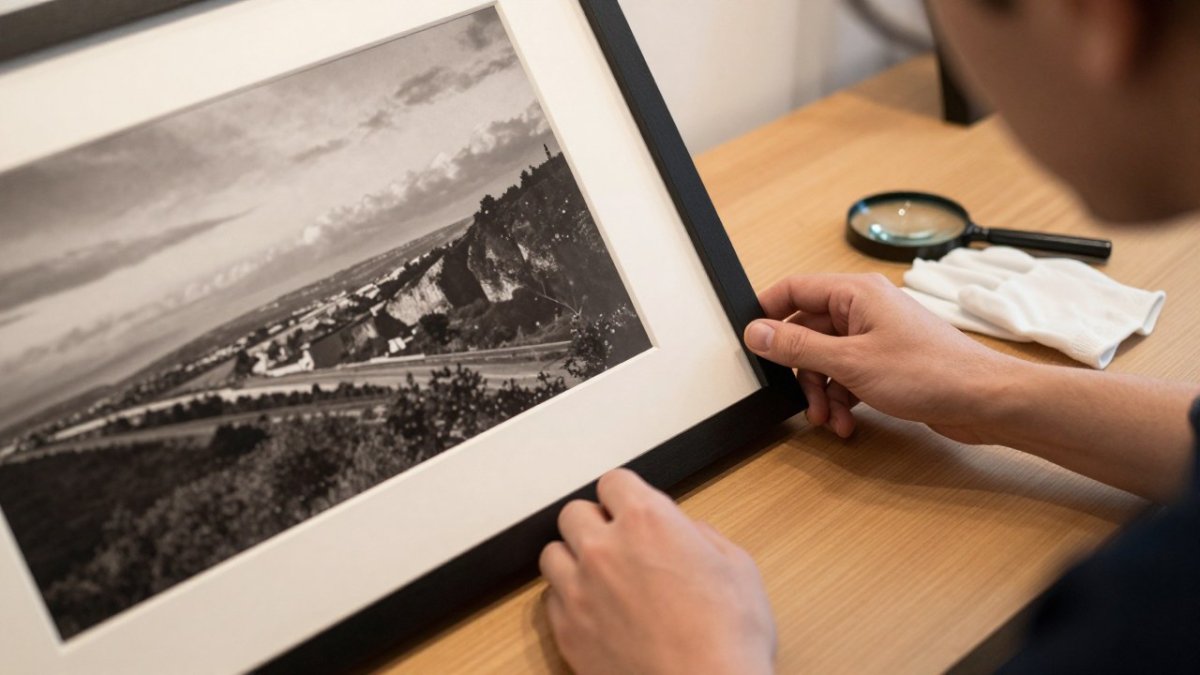
Fine Art Photography Print Editions: Why Size Matters
Fine art photography print editions define how many copies of an image exist. A limited edition states a fixed number, such as 25 or 50 prints, and the artist stops there. An open edition has no cap, so the supply can grow at any time.
That difference drives value. A limited edition of 25 gives each print a defined share of demand. An open edition gives buyers no scarcity at all.
Edition facts worth confirming in writing:
- The total edition size
- Whether sizes are counted together or separately
- The print number you are receiving
- Whether artist proofs exist outside the count
Watch out: some sellers advertise "limited" without stating a number. An edition without a stated size is not a real limit.
Photography Provenance and Certificates of Authenticity
Photography provenance is the documented history of a specific print, from the artist's studio to your wall. A certificate of authenticity is the paper trail that supports it. Together they answer the question every reseller will eventually ask: is this the real thing?
A proper certificate should include:
- Artist name and signature
- Title, edition size, and print number
- Year of printing
- Paper and ink details
- The name of the printer or studio
Buying directly from the artist or their gallery is the cleanest path. Each step in a resale chain adds a gap in the record. If a seller cannot explain where a print came from, treat the missing history as a cost you will pay later.
U.S. Copyright Office on copyright and art ownership
How to Evaluate a Photograph's Value
Value in investment photography rests on three legs: the artist, the object, and the market. A weak leg weakens the whole purchase. Score each one honestly before you commit.
Artist Reputation and Exhibition History
A strong gallery record, museum exhibitions, and consistent critical attention all support resale demand. Awards and published monographs help too. What most buyers miss is momentum: an artist with steady gallery representation is a safer hold than one with a single show and no follow-up.
Condition, Rarity, and Market Demand
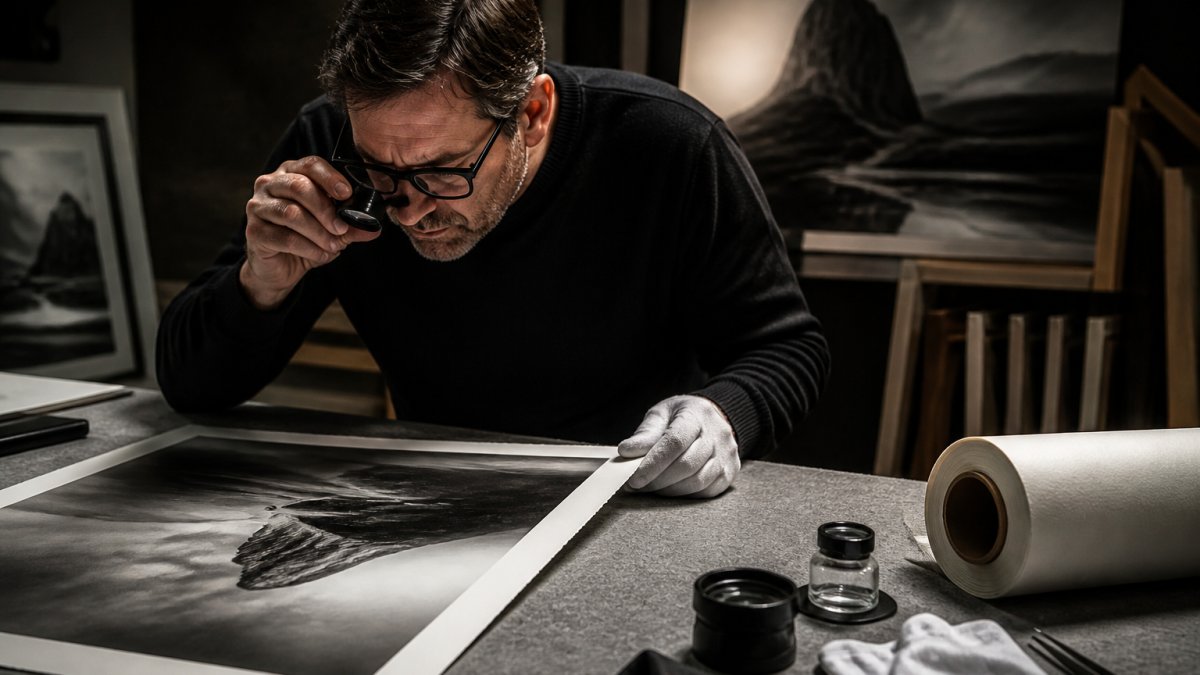
Condition is the easiest thing to check and the easiest to overlook. Look for fading, surface scratches, dents in the frame, and any sign of water damage. Rarity matters only when demand exists. A rare print nobody wants is still hard to sell.
You can see how rarity plays out in practice with Youthful Reflections, a sold original now offered only as a limited edition.
If you are weighing whether a piece suits your space, these steps to choose art for a neutral room help you judge appeal alongside value.
Where to Buy and Red Flags to Watch For
Galleries, auction houses, and artist-direct sales give you the strongest documentation. Online marketplaces can work, but the burden of proof shifts to you. Ask the same questions everywhere.
Red flags to walk away from:
- No stated edition size
- No certificate, or a certificate with blanks
- Reluctance to name the paper or ink
- Prices far below the artist's gallery rate
- Stock-photo listings used as the actual artwork
For a deeper look at buying safely, this buyer's guide to buying art online covers what to check before you pay.
Your Pre-Purchase Checklist: Next Steps at DE LA Gallery
Run these seven checks before any purchase:
| Check | What to Confirm | Why It Matters |
|---|---|---|
| Paper and ink | Named archival materials | Prevents fading |
| Framing | Acid-free mats, UV glazing | Protects the print |
| Edition size | Stated number in writing | Creates scarcity |
| Print number | Your copy within the edition | Confirms position |
| Certificate | Signed, complete details | Proves authenticity |
| Condition | No fading or damage | Protects resale |
| Source | Artist or gallery direct | Closes record gaps |
At DE LA Gallery, we print and frame in house using verified archival materials, and we represent the work of photographer Jorge de la Torriente directly. Augmented reality previews are available to help you visualise large-format pieces in your own space. See a gallery-edition print at the higher investment level with El Sol Mercado, or explore originals like Picnic Island.
Buying investment photography rewards patience and paperwork in equal measure. Start with the checklist above, ask for documentation in writing, and buy from a source that can answer every question without hesitation.
Visit DE LA Gallery to explore the collection and request current pricing directly.
Frequently Asked Questions
What should I look for when buying fine art photography?
Start with the print itself: ask whether it was made with pigment inks on archival paper and whether the seller can document that. Then check the edition size and whether the print is numbered and signed. Confirm that a certificate of authenticity accompanies the piece, and review the artist's exhibition and publication history. Finally, ask about framing materials, since poor matting can damage a print over time. A gallery that prints and frames in-house, like DE LA Gallery, can usually answer these questions directly.
How can I tell whether a photographic print is archival quality?
Archival quality comes down to materials and process. Look for pigment-based inks rather than dye-based inks, and papers labeled as 100% cotton rag or alpha-cellulose. Ask for the paper's basis weight and whether it is buffered. Framing should use acid-free mats and UV-filtering glazing. A reputable seller will state these specifications in writing. If a listing only says museum-quality without naming the paper, ink, or framer, ask for specifics before you buy.
Is fine art photography a good investment?
It can be, but it is not a guaranteed financial instrument. Value tends to grow for photographers with strong exhibition records, limited editions, and consistent demand. Works by established artists sometimes resell at auction, but many photographs are bought primarily for enjoyment. Treat investment photography as a long-term holding and focus on quality, scarcity, and documentation. Buy what you want to live with, and let any appreciation be a bonus rather than the plan.
How do edition size and print condition affect a photograph's value?
Smaller editions generally support higher values because fewer prints are available. An edition of 10 or 25 is common for collectible work, while open editions rarely appreciate. Condition matters just as much: fading, scratches, foxing, or poor framing reduce value and are hard to reverse. Ask how the print has been stored and whether it has been displayed in direct sunlight. When buying remotely, request detailed condition photos before committing.