 How-to
Landscape Photo Buying Guide for Fine Art Collectors
Quick Summary
A landscape photo worth buying has strong composition and clear light, archival paper with pigment inks, and a known edition or one-of-a-kind status. Buying directly from the photographer or a gallery that controls its own printing and framing keeps the process consistent. The print should also fit the room's light, wall color, and viewing distance.
- Look for strong composition, clear light, and detail that rewards a closer look.
- Ask the seller which paper and ink were used, and confirm pigment-based inks.
- Use archival framing: acid-free boards, UV-filtering glass, and top-edge hinging.
- Standard 3:2 landscape sizes print without cropping; 5x7 and 8x10 require a crop.
- Preview the piece on your wall with paper cutouts or augmented reality before buying.
Table of Contents
- What Makes a Landscape Photo Worth Buying
- Choosing the Right Landscape Photography Prints for Your Space
- Landscape Photo Print Sizes and How to Match Them to Your Walls
- Why Framed Landscape Photography Lasts Longer on the Wall
- Previewing a Landscape Photo in Your Home Before You Buy
- Buying Your Landscape Photo Directly From the Artist
- Frequently Asked Questions
What Makes a Landscape Photo Worth Buying
A landscape photo worth buying does more than show a pretty view. It holds up over decades, feels right on your wall, and comes from a source you can trust. Most buyers focus on the image alone, but the print quality, the materials, and the artist's process decide whether the piece still looks good in ten years.
Start with the image itself. Look for a photo with a clear composition, a strong sense of light, and detail that rewards a closer look. A good landscape rewards the viewer each time they walk past it.
Next, check the print. Ask the seller what paper and ink were used. A clear answer is a good sign.
Finally, consider the source. Buying directly from a photographer or a gallery that controls its own printing and framing means fewer hands touch the piece. At DE LA Gallery, the work is printed and framed in-house, which keeps the process consistent from start to finish.
Quick checklist for a landscape photo worth buying:
- Strong composition and clear light
- Archival paper and pigment inks
- Known edition size or one-of-a-kind status
- A seller who can explain how the piece is made
Choosing the Right Landscape Photography Prints for Your Space
Most buyers pick a landscape print by subject alone, a mountain, a beach, a forest, and then discover the piece feels wrong once it is on the wall. The missing step is matching the photograph's visual qualities to the room's actual conditions.
Start with the light in the room. A north-facing room receives cool, indirect daylight most of the day, which tends to mute warm tones and flatten contrast.
Next, match the photograph's color temperature to the wall. Warm white and cream walls push a print toward yellow; cool gray and blue-gray walls push it toward blue. A landscape with a neutral or slightly warm cast, golden-hour light, autumn foliage, desert rock, tends to sit naturally on warm walls.
Consider viewing distance and detail density. A photograph with fine texture, individual leaves, ripples on water, rock strata, rewards close viewing and works well in a hallway, entry, or above a desk where people stand within a few feet.
Finally, decide what the room is for. A bedroom benefits from a landscape with low contrast and a narrow tonal range, because high-contrast images keep the eye active. A living room or dining room can carry a bolder image with a clear focal point.
- North-facing room: choose higher-contrast scenes with clear highlight and shadow separation
- South- or west-facing room: choose prints with controlled highlight detail and a cooler palette
- Warm walls: favor neutral-to-warm scenes such as golden hour or autumn color
- Cool walls: favor scenes with blue water, overcast light, or cool shadows
- Close viewing: choose fine-detail images with texture
- Across-the-room viewing: choose simple, broad shapes with a strong focal point
Watch out: A print that looks vivid on a backlit screen can look dull on a wall that receives no direct light, check the room's light at the time of day you will actually view the piece.
Landscape Photo Print Sizes and How to Match Them to Your Walls
Landscape photographs are usually captured in a 3:2 aspect ratio, which is the native format of most full-frame and APS-C camera sensors. That ratio matters because it determines which standard print sizes fit without cropping. A 3:2 image prints cleanly at 4×6, 6×9, 8×12, 12×18, 16×24, 20×30, and 24×36 inches.
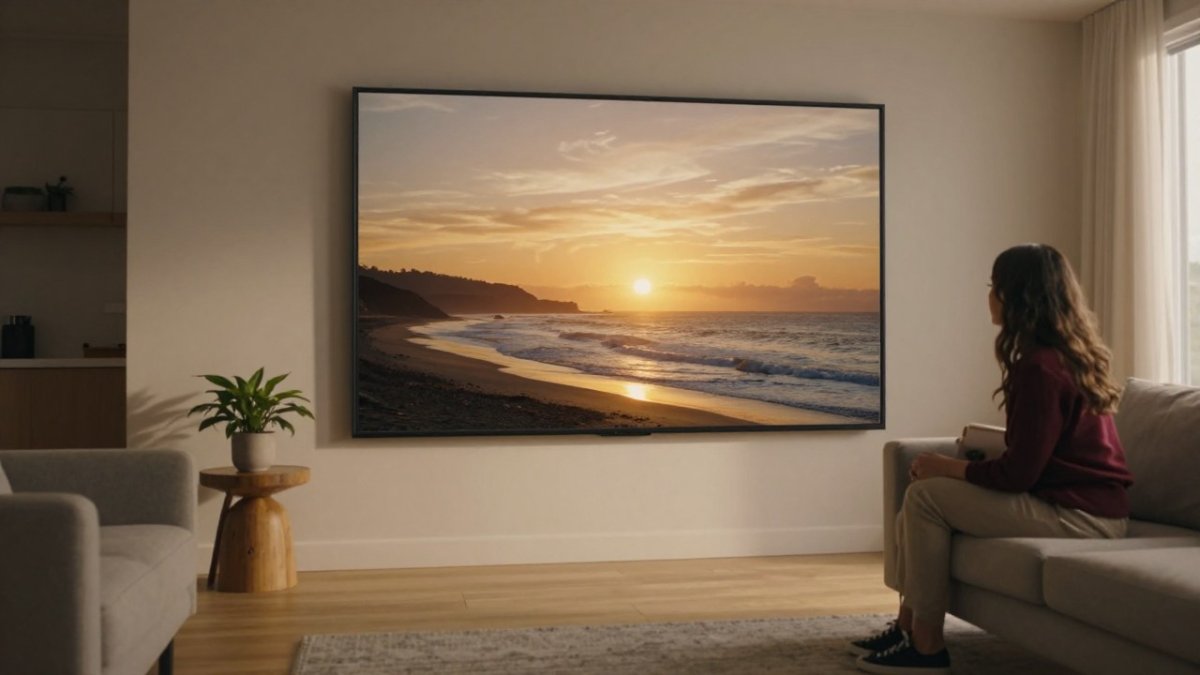
Use standard sizes as your starting point, then size to the wall. A common rule of thumb is that the framed piece should occupy roughly 60 to 75 percent of the width of the furniture below it.
Account for the mat and frame in every measurement. A 16×24 print with a 3-inch mat and a 1.5-inch frame finishes at roughly 24.5×32.5 inches. A 24×36 print with the same mat and frame finishes at about 32.5×44.5 inches.
Match the print size to the photograph's composition. A wide panoramic landscape, a coastline, a mountain range, a field, benefits from a 2:1 or 3:1 crop and a wide format such as 12×24 or 16×32, because the panorama emphasizes the horizontal sweep.
Consider ceiling height and viewing distance. A room with 8-foot ceilings can carry a framed piece up to about 40 inches tall without crowding the wall; a room with 10-foot ceilings can carry 48 inches or more.
- 3:2 native ratio: 4×6, 6×9, 8×12, 12×18, 16×24, 20×30, 24×36 inches
- 4:5 ratio (requires crop): 5×7, 8×10, 11×14, 16×20 inches
- Panorama (2:1 or wider): 12×24, 16×32 inches
- Above a 72-inch sofa: framed width of roughly 43 to 54 inches
- Above a 36-inch console: framed width of roughly 22 to 28 inches
- 8-foot ceiling: framed height up to about 40 inches
- 10-foot ceiling: framed height up to about 48 inches or more
Watch out: Ordering a 16×20 print of a 3:2 image without confirming the crop can cut off the foreground or skyline that anchors the composition, ask for a proof of the exact crop before printing.
(https://blog.delagallery.com/archival-vs-non-archival-art-prints). Many buyers assume every print is archival, but that is not true. Knowing what to look for helps you separate lasting art from short-lived decor.Check the paper first. Ask the seller to name the paper type and manufacturer. Vague answers are a warning sign.
Next, check the ink. Ask whether the print uses pigment inks, and whether the seller can document the printer and ink system.
Finally, ask about the edition and the process. A reputable seller will tell you how the print was made, who made it, and how it is numbered or documented.
- Ask for the paper type and manufacturer
- Confirm pigment-based inks, not dye-based inks
- Request details on the printing and framing process
- Look for clear documentation with the purchase
Watch out: Some sellers use the word "archival" loosely. Ask for specifics, not just the label.
Why Framed Landscape Photography Lasts Longer on the Wall
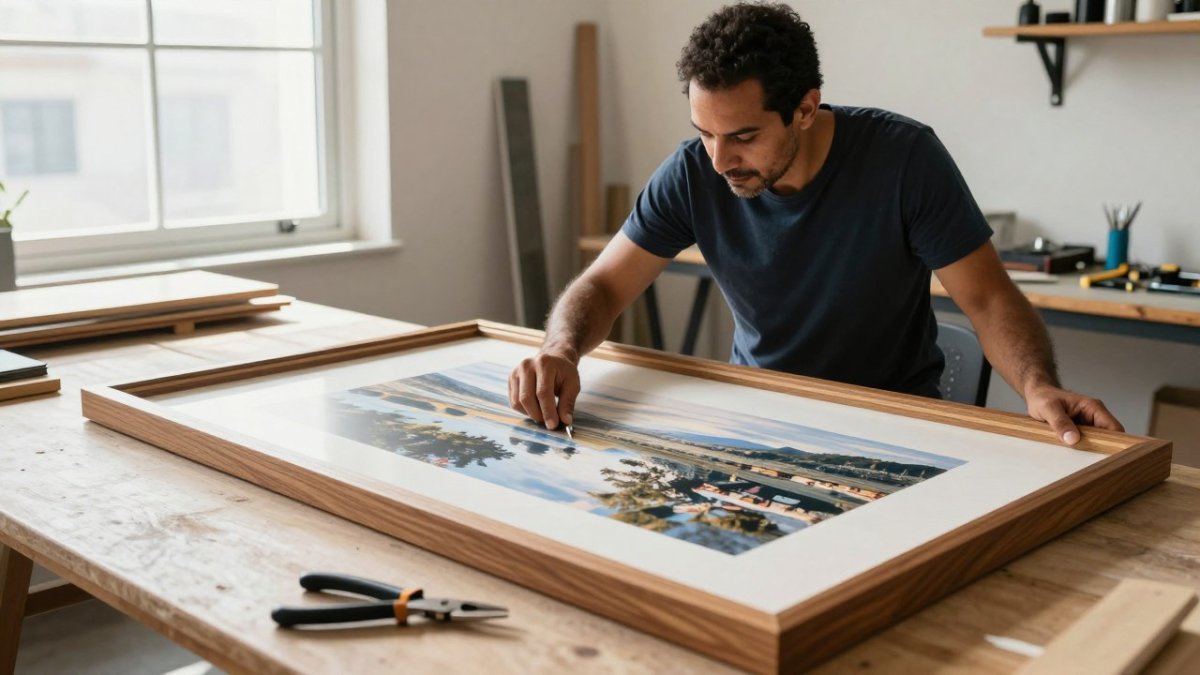
Framing protects a print from dust, moisture, and light. See how acid-free boards, UV glass, and hinging protect fine art in the importance of archival framing materials. The right framing choices can make a large difference in how a print looks decades from now.
Hinging matters too. A print should be attached so it can expand and contract without stress.
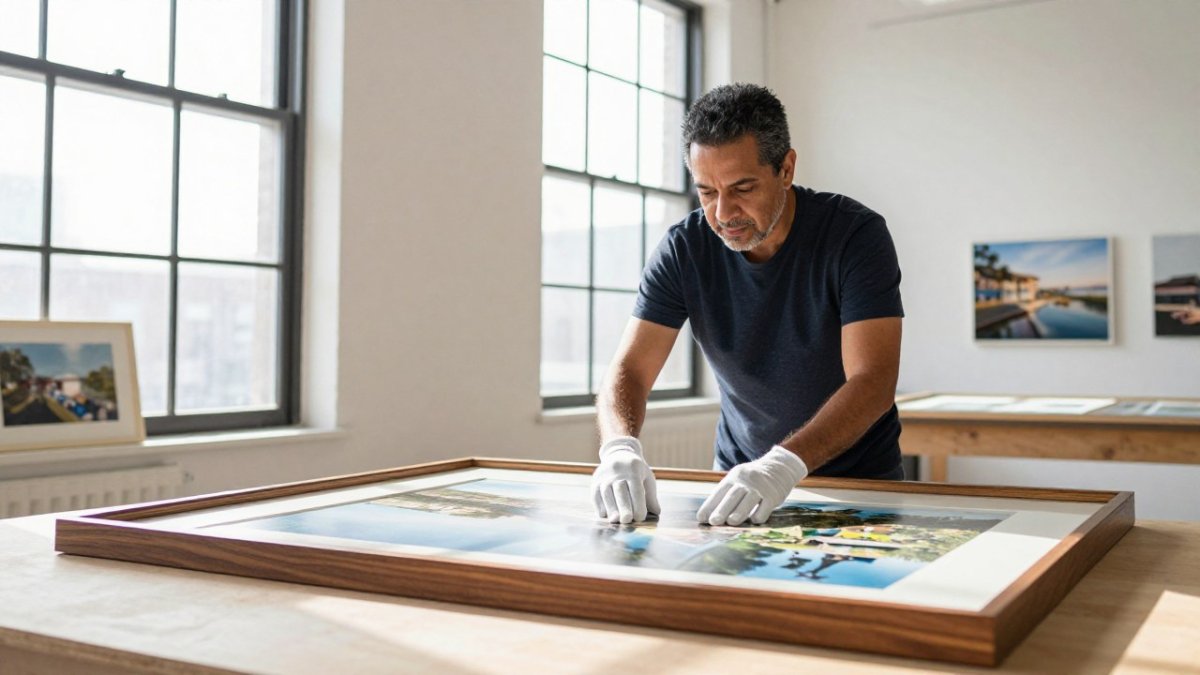
Frames also protect the print from handling. A solid frame keeps fingers off the surface and reduces the chance of scratches or dents.
- Acid-free mounting boards prevent yellowing
- UV-filtering glass reduces light fading
- Top-edge hinging lets the print move with humidity
- A solid frame guards the surface from damage
Previewing a Landscape Photo in Your Home Before You Buy
Seeing a print in your own space is the best way to know it will work. Many buyers hesitate because they cannot judge scale or color from a screen. Preview tools and simple test methods can close that gap.
Augmented reality previews let you place a print on your wall through your phone camera.
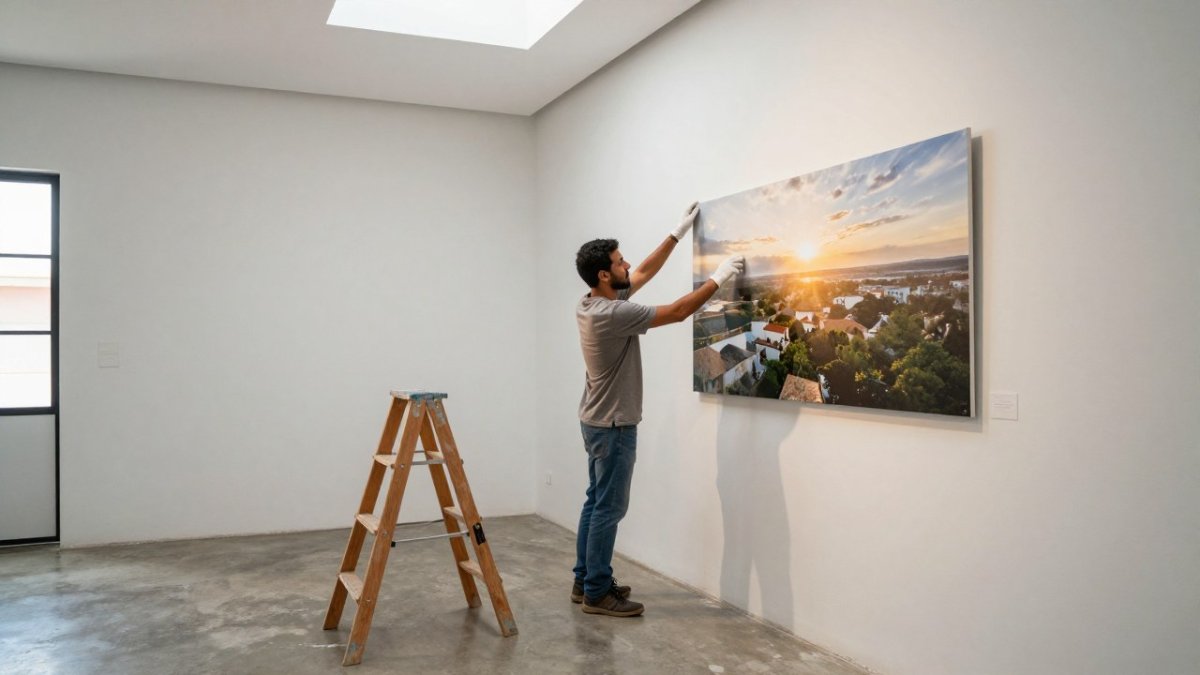
You can also test the size with paper. Cut a sheet of paper to the print's dimensions, tape it to the wall, and live with it for a few days. Check it in morning and evening light.
- Use augmented reality previews to judge scale
- Tape paper cutouts to the wall for a physical test
- Check the placement in daylight and lamplight
- Ask the seller about return options if the fit is wrong
Buying Your Landscape Photo Directly From the Artist
Buying directly from the artist or the gallery that represents them removes middlemen and gives you a clear line of contact. You can ask about the image, the printing, and the framing, and get answers from the people who made the work.
DE LA Gallery offers a direct-from-artist experience for collectors. Work by photographer Jorge de la Torriente is printed and framed in-house, and buyers can preview pieces with augmented reality. For current prices or a quote, visit the DE LA Gallery website.
Before you buy, ask a few direct questions:
- Who printed the piece, and where?
- What paper and ink were used?
- What framing materials protect it?
- What is the return or replacement policy if the piece arrives damaged?
A trusted seller will answer these questions clearly. That clarity is often the best sign that the piece is worth the investment.
Ready to find the right landscape photo for your collection? Explore the work at DE LA Gallery, where each piece is printed and framed in-house with verified archival materials.
Frequently Asked Questions
What makes a landscape photography print high quality?
A high-quality landscape print comes from a few measurable choices: the original file captured at high resolution, and color profiles calibrated so the print matches what the artist saw. Ask the seller whether the work is printed in-house or by a third party, since in-house printing gives tighter control over each step. Also check that the piece is produced as a limited or numbered edition, which signals both scarcity and consistent quality across the run. Finally, look for a clear description of the paper, ink, and mounting materials rather than vague claims of museum quality.
What is the best size for a landscape photo print?
The best size depends on the wall and the viewing distance. For a sofa wall, a print roughly two-thirds the width of the sofa usually looks balanced, while a large statement piece above a fireplace may work best at 40 inches wide or more so it reads clearly from across the room. Smaller prints of 16 by 20 inches suit hallways and reading nooks. Measure the wall, mark the footprint with painter's tape, and compare before committing. Large-format prints also show fine detail in mountains, skies, and water, so bigger often rewards close viewing as well as distance.
How can you tell if a fine art photo print is archival?
Ask for the specific paper, ink, and mounting materials in writing. Archival prints typically use pigment-based inks rather than dye-based inks, which fade faster, and acid-free or museum-grade paper and backing boards. Look for a stated lightfastness rating for the ink and paper combination, and ask whether the framing uses UV-filtering glazing and acid-free mats. A seller that names its materials and can explain its testing is more trustworthy than one that only uses the word archival. Keep the documentation with your purchase records for future reference and insurance.
Should landscape photography be framed?
Framing protects a landscape print from dust, humidity, and handling, and a well-made frame with UV-filtering glazing and acid-free matting helps preserve color over decades. Framing also gives the image a finished presentation that suits a living room or office. Unframed prints can work on canvas or mounted on rigid boards if you prefer a gallery-style look without glass. Whatever you choose, avoid placing any print in direct sunlight or high humidity, since those conditions shorten the life of even archival materials.